Real-World Longitudinal Sleep Changes Associated With a Wearable Transcutaneous Vagus Nerve Stimulation Device: Analysis of Consumer Data From the United States
Table of contents:
Abstract:
Background and Aim:
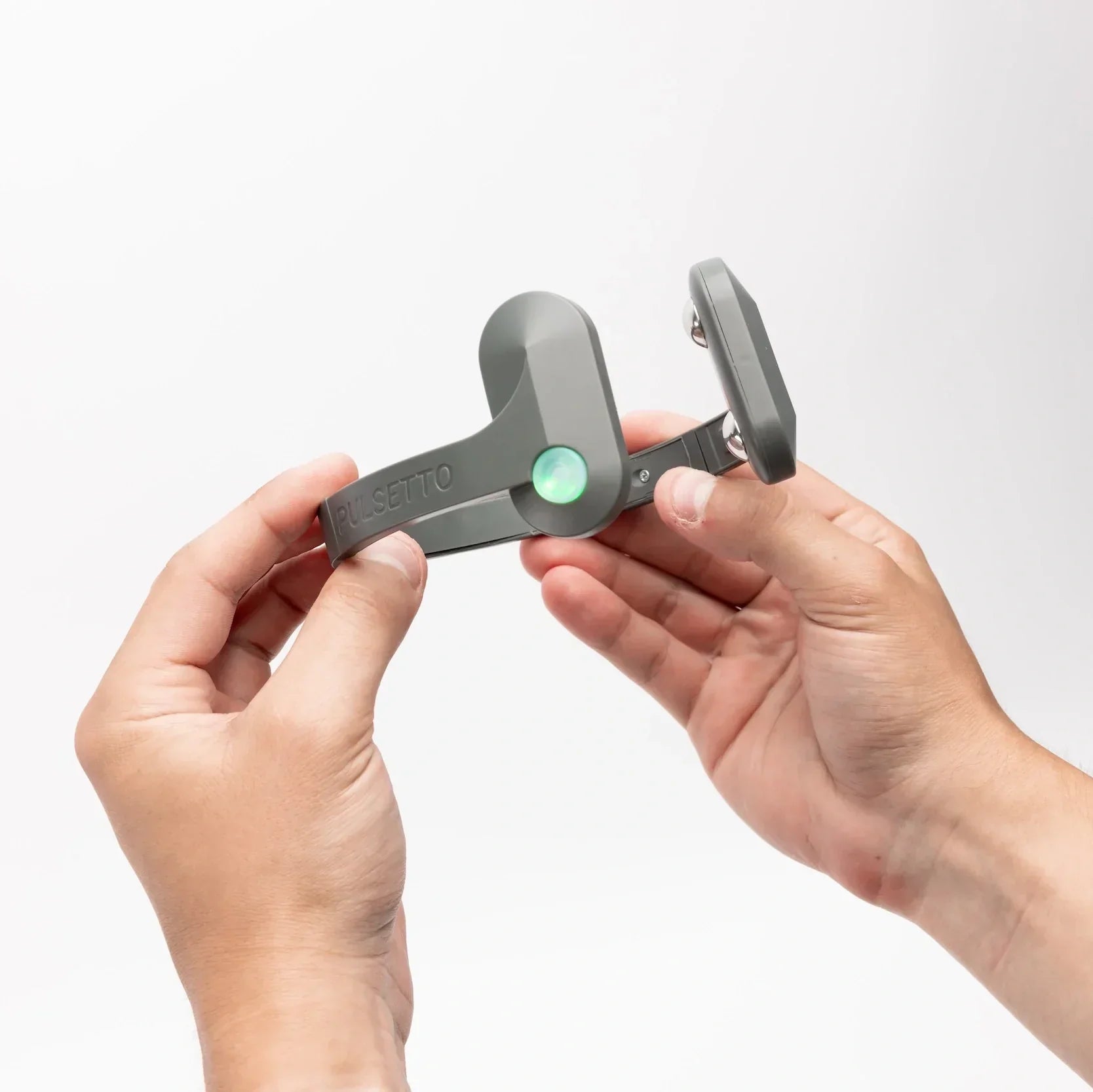
Non-invasive transcutaneous vagus nerve stimulation (tVNS) is increasingly investigated as a neuromodulation approach for improving sleep and autonomic regulation. Randomised trials have shown beneficial effects of tVNS on insomnia symptoms and sleep quality, although results vary depending on stimulation site and device type. Most previous studies used auricular stimulation, while wearable devices delivering stimulation in the cervical region have recently become available for consumer use. Pulsetto is a commercially available wearable non-invasive tVNS device delivering bi-lateral cervical stimulation through the skin. Real-world longitudinal data on sleep outcomes associated with consumer-grade VNS devices remain limited. The aim of this study was to evaluate changes in wearable-derived sleep parameters associated with regular use of this device in everyday conditions among users in the United States.
Methods:
This retrospective longitudinal observational study analysed sleep data linked to regular use of the Pulsetto device. Sleep outcomes were obtained from commercially available wearable devices (Garmin, Apple Watch, Oura). For each night, the stimulation session closest to bedtime was retained. Data were aligned to each user’s first recorded session and restricted to the first six weeks of use. Total sleep time was the primary outcome. Changes over time were evaluated using linear mixed-effects models with participant as a random effect.
Results:
After filtering, the dataset included 36 users and 969 nightly observations. Total sleep time increased across six weeks, with an estimated change of ~0.12 h/week (p < 0.05), corresponding to ~35–40 min increase from Week 1 to Week 6. Secondary outcomes showed high variability due to differences in wearable devices, repeated sessions, and limited overlap of physiological metrics.
Conclusion:
In real-world conditions, regular use of a wearable bilateral cervical tVNS device was associated with a modest increase in sleep duration over six weeks. Variability typical of consumer-generated data limits causal interpretation, but results support feasibility of real-world monitoring and the need for controlled prospective studies.
Authors:
Domas Pauliukevičius, Viktorija Juodeikytė, Mantas Mickevičius , Dalia Mickevičienė , Inga Lukonaitienė Lithuanian Sports University, Kaunas, Lithuania
Funding and Disclosure:
This study was conducted as part of an industry-supported research collaboration using anonymised us-er-generated data.
Table of contents:
Read more:
Acute Transcutaneous Cervical but not Auricular Vagus Nerve Stimulation Increases Alpha Wave Brain Activity and Lowers Arterial Blood Pressure
Read StudyHave questions?
We’re here to answer! Contact us at: [email protected]