Ever wondered why some days you feel calm and collected, while others leave you drained and stressed? The answer might be your vagus nerve. This powerful nerve connects your brain to your heart, lungs, and digestive system, helping your body manage stress, boost your mood, and improve sleep.
The vagus nerve is the longest cranial nerve in the body. It connects your brain to many vital organs, including your heart, lungs, and digestive system. Think of it as a communication superhighway between your body and your brain, helping regulate the functions that keep you healthy and balanced.
Rated 4.5/5 by 20,137+ Customers
Pulsetto vagus nerve stimulator: feel calmer and sleep better in just 4 minutes a day
Experience immediate relaxation with the Pulsetto vagus nerve stimulator.
Sit back, close your eyes, and immerse yourself in the soothing Pulsetto experience, designed to gently promote a state of calmness and well-being.
Best Value Deal!
FREE WORLDWIDE SHIPPING
Select your device:
Pulsetto Lite vs Pulsetto FIT
Which one is right for you?
PULSETTO FIT
PULSETTO LITE
Dual-technology, hands-free stimulation
Yes
Yes
New wave-like stimulation (more engaging)
Yes
No
Battery life
Up to 12 days (20% longer)
Up to 10 days
Fits all necks for consistent stimulation
Yes
No
Stays secure no matter what you're doing
Yes
No
Great for sharing (adjusts to any neck size)
Yes
No
Free lifetime wireless updates
Yes
No
Premium all-black design with medical-grade materials
It’s called the “rest and digest” nerve because it helps your body chill out after stressful moments. Without it, you’d feel on edge with quick exhaustion, poor sleep, and digestive troubles.
Vagus Nerve Anatomy Made Simple
Both sides of your body have a vagus nerve. They branch out from your brain, travel down your neck, then spread fibers throughout your chest and abdomen. More than 80% of the fibers are sensory; they send messages about how your organs are doing right back to your brain.
Quick Facts:
Each nerve has up to 105,000 fibers
Runs inside the carotid sheath in your neck
Connects to the colon, heart, lungs, liver, and more
Core Functions of the Vagus Nerve
1. Heart Health
Controls your heart rate and helps it slow down when you need to chill out. People with stronger vagal tone have lower blood pressure and better heart health.
2. Digestion
The vagus nerve helps move food through your digestive tract. It also tells your stomach when to produce acids for proper digestion.
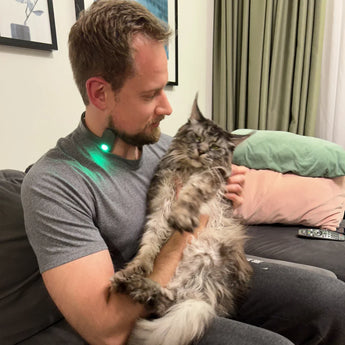
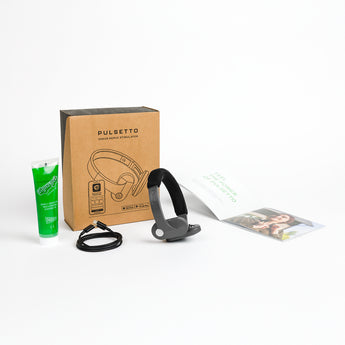
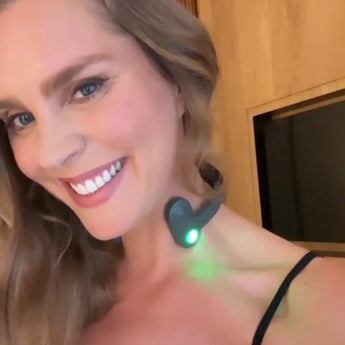
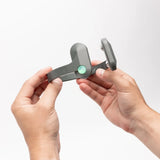
Pulsetto is a wearable device that uses vagus nerve stimulation (VNS) to promote relaxation and reduce stress and anxiety. By targeting the vagus nerve with gentle electrical impulses, Pulsetto can help induce a state of calm, making it easier to fall asleep and stay asleep.
Advantages of Pulsetto:
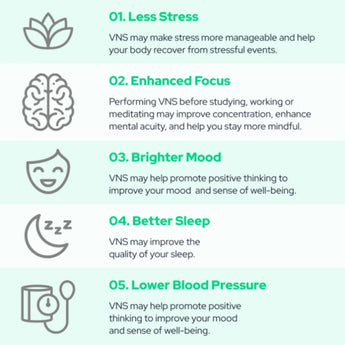
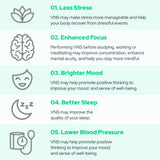
Stress Reduction: Experience significant relief from daily stress by activating your vagus nerve and shifting your body into a "rest and digest" state.
Improved Sleep: Pulsetto supports restful sleep by calming your nervous system, helping you wake up refreshed and energized.
Enhanced Mental Clarity: By promoting relaxation, Pulsetto aids in sharpening focus and reducing brain fog.
Digestive Health Support: Vagus nerve stimulation positively impacts the gut-brain connection, aiding digestion and reducing bloating.
Chronic Health Support: Pulsetto offers support for individuals managing chronic stress, anxiety, and fatigue, helping to improve their quality of life.
Using Pulsetto is simple and takes just 4 minutes to start feeling the effects. Here's how it works:
Apply a generous amount of gel to your neck or directly onto the electrodes.
Place the device on your neck.
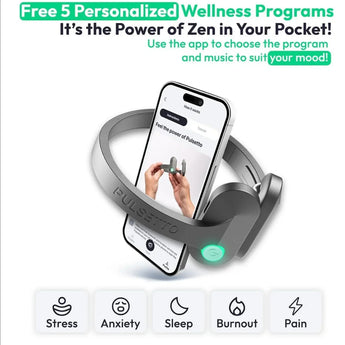
Pair it with the Pulsetto app on your smartphone.
Choose your desired program and start the device through the app.
The device creates a gentle, pleasant vibration or tingling sensation in your neck area. This stimulation helps activate your parasympathetic nervous system, leading to a calmer, less stressed state.
Larger trials are happening now to see how this therapy can help people live longer, healthier lives by fine-tuning the balance in their autonomic nervous systems.