It’s easier than ever to feel scattered these days. With constant screens and multi-tasking, many people feel as though their brains can’t keep up. Want stronger focus, calm, and mental energy? Modern biohacking offers everyday tools to help nearly anyone feel sharper, calmer, and more in control.
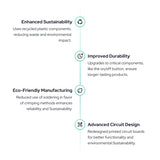
Best if you wear size S or smaller tops. Only with FIT
New stimulation that rises and falls, which feels more fun (coming July–Aug 2025). Only with FIT
20% longer battery life for fewer recharges. Only with FIT
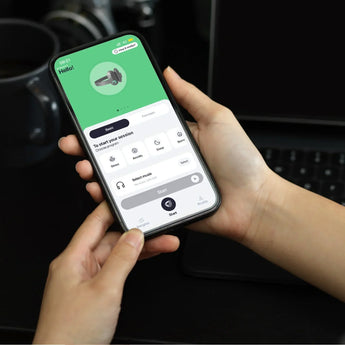
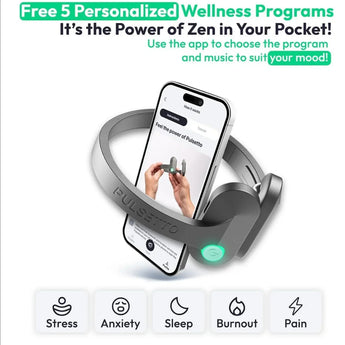
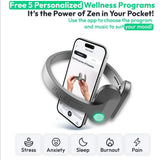
Free lifetime Pulsetto App with 5 expert-designed programs for Stress, Anxiety, and More.
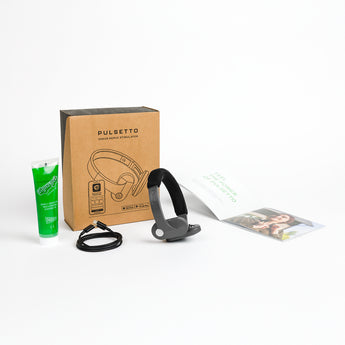
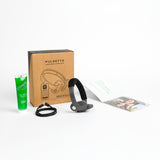
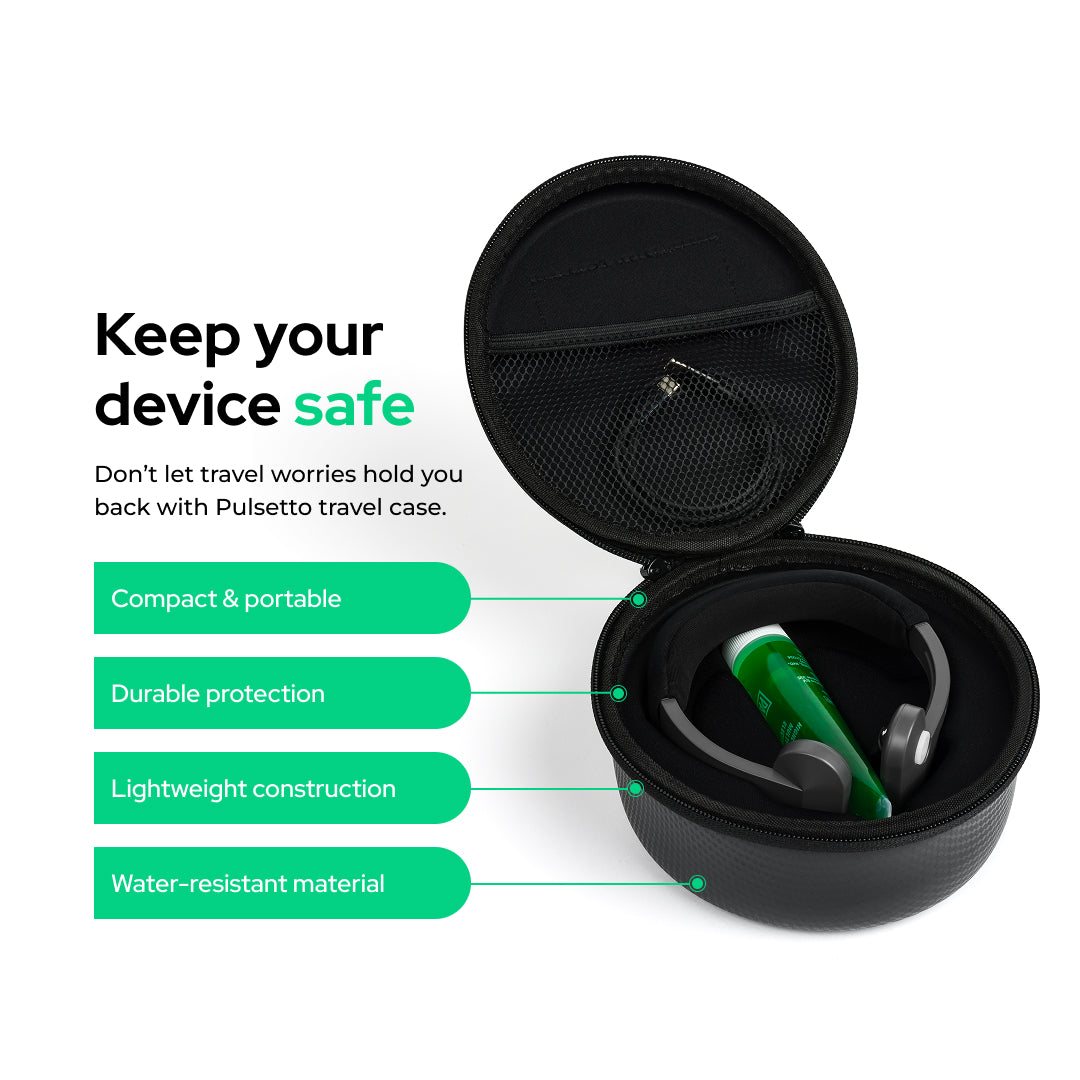
One 60g gel tube (can be used up to a month), USB-C charging cable, user guide included
Extra gift: Pulsetto Premium 14-day Free Trial. 3 extra stimulations, 11 unique guided meditations, 54 breathing exercises, 1200 positive affirmations, and more.
€296/
15 Ways to Biohack Your Mind in 2026
What Is Mind Biohacking?
Think of mind biohacking as using science, tech, and simple habits to upgrade how your brain works. It can range from diet tweaks and sleep routines to wearable gadgets that stimulate key nerves for calm, or apps that retrain your focus. It’s not magic, it’s personalization: experiment, track results, and keep what works. The goal isn’t perfection. It’s feeling more “in control” of your mind every day.
1. Try Vagus Nerve Stimulation (VNS) for Rapid Calm
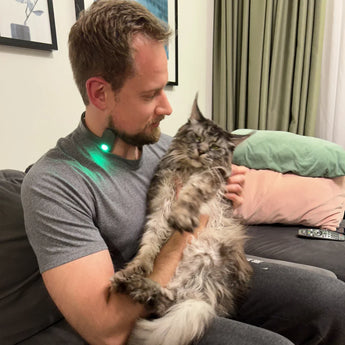
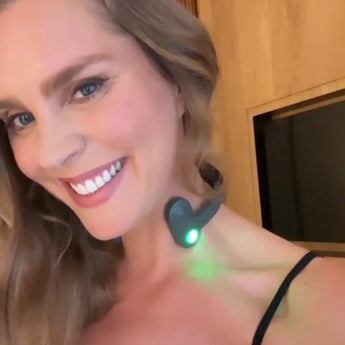
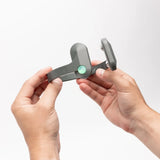
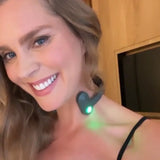
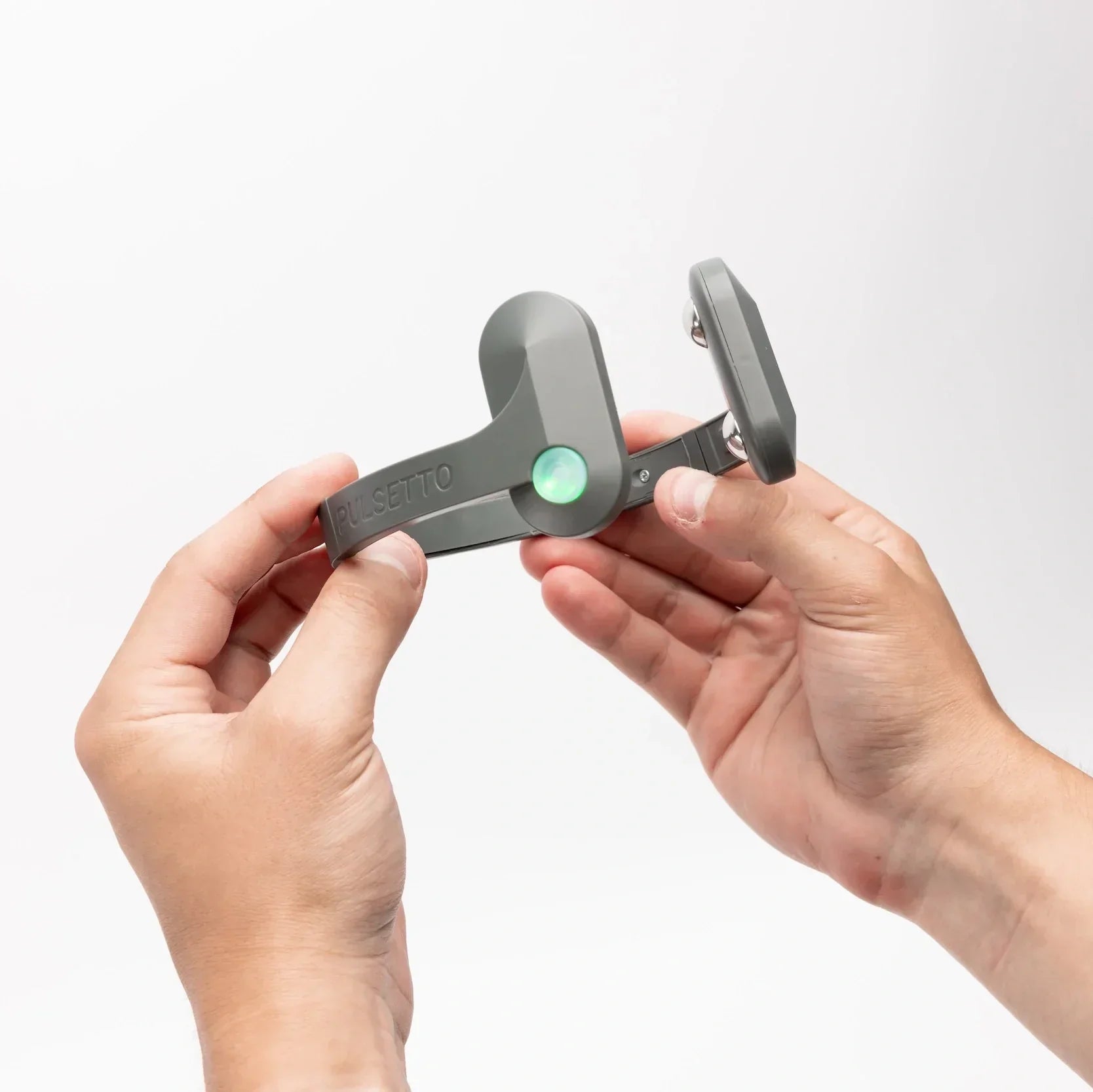
Pulsetto is a wearable device that uses vagus nerve stimulation (VNS) to promote relaxation and reduce stress and anxiety. By targeting the vagus nerve with gentle electrical impulses, Pulsetto can help induce a state of calm, making it easier to fall asleep and stay asleep.
Advantages of Pulsetto:
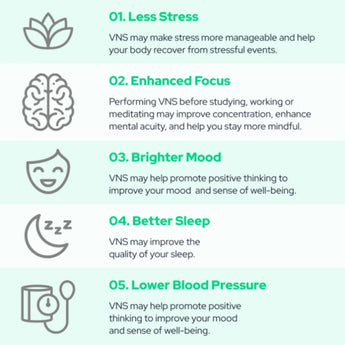
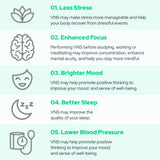
Stress Reduction: Experience significant relief from daily stress by activating your vagus nerve and shifting your body into a "rest and digest" state.
Improved Sleep: Pulsetto supports restful sleep by calming your nervous system, helping you wake up refreshed and energized.
Enhanced Mental Clarity: By promoting relaxation, Pulsetto aids in sharpening focus and reducing brain fog.
Digestive Health Support: Vagus nerve stimulation positively impacts the gut-brain connection, aiding digestion and reducing bloating.
Chronic Health Support: Pulsetto offers support for individuals managing chronic stress, anxiety, and fatigue, helping to improve their quality of life.
Using Pulsetto is simple and takes just 4 minutes to start feeling the effects. Here's how it works:
Apply a generous amount of gel to your neck or directly onto the electrodes.
Place the device on your neck.
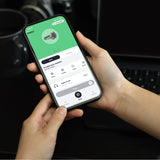
Pair it with the Pulsetto app on your smartphone.
Choose your desired program and start the device through the app.
The device creates a gentle, pleasant vibration or tingling sensation in your neck area. This stimulation helps activate your parasympathetic nervous system, leading to a calmer, less stressed state.
A great mind needs real rest. Adults today average just 6.5 hours of sleep nightly, far from the 7.5 to 9 hours recommended by recent studies for focus, memory, and mood. Sleep deprivation has a direct impact on decision-making, mood swings, and brain inflammation, raising long-term risks for Alzheimer’s.
Sleep Hacks:
Stick to sleep cycles (multiples of 1.5 hours: 6, 7.5, or 9).
Block out all screens at least 30 minutes before bed.
Use tools like blackout curtains and white noise for deeper sleep.
3. Strategic Nutrition for Your Brain
The brain consumes 20 percent of your body’s energy. Modern biohackers now track blood sugar, micronutrients, and food quality for sharp thinking. Include foods high in omega-3s, antioxidants, and polyphenols (salmon, walnuts, blueberries) to boost neuroprotection and energy. Avoid high-glycemic foods, which spike and crash energy.
4. Master Meditation and Breathwork
Meditation is more than just relaxing; consistent mindful practice builds more gray matter in areas tied to attention, emotional regulation, and memory. Even 5–10 minutes per day shows improvements in stress hormones. Conscious breathing, especially structured breathwork routines, can enrich the brain with oxygen and balance the nervous system.
5. Hormetic Stress, Cold and Heat Therapy
Short periods of cold (like cryotherapy or cold water showers) trigger mood-boosting neurotransmitters, improve alertness, and may boost BDNF (a key brain hormone). Infrared saunas and red light therapy help manage inflammation, speed recovery, and may reduce cognitive decline risk.
6. Move for Your Mind
Regular movement, especially walking, cycling, and yoga, promotes neuroplasticity (the way your brain reorganizes itself for learning). A study even found that just 40 minutes of brisk walking, three times a week, rejuvenates memory centers in the brain.
7. Nootropics and Adaptogens
Nootropics are supplements shown to boost focus, memory, or mood safely. Some of the most promising for 2026 include:
Omega-3 fatty acids
Magnesium
B vitamins
Curcumin (from turmeric)
L-tyrosine
Herbal adaptogens like rhodiola, ashwagandha, and lion’s mane mushroom also support stress adaptation and mental energy.
8. Digital Detox and Light Management
Digital overstimulation spikes stress. Taking regular “tech breaks” and limiting blue light exposure in the evening helps regulate circadian rhythms and melatonin production, leading to better focus and deeper sleep. Use blue light filter apps, and set device-free hours before bed.
9. Use Brain Biohacking Apps and Devices
With brainwave-monitoring apps and gadgets, biohackers get actionable data, like when focus drops or stress rises. Top current devices and apps include:
EEG headbands for neurofeedback
Brainwave-synced music apps (example: specialized focus playlists)
Pulsed Electromagnetic Field (PEMF) therapy is gaining traction for its ability to normalize brainwave rhythms, especially useful for managing anxiety, insomnia, and brain fog. Some smart mats and wearable devices now offer this therapy at home.
13. Harness Circadian Rhythms
Tune sleep, meal, and light schedules to work with natural “body clocks.” Research shows this can cut brain fog, boost energy, and increase stress resilience. Try eating and sleeping at the same time each day for a week for a noticeable difference.
14. Track Your Progress, Keep It Personal
Every brain is unique. Use habit-tracking apps, biomarker tests, or simple journaling to note what works best for your focus, sleep, and energy. Consistently tracking results helps you keep what moves the needle and cut the rest.
15. Connect and Socialize
Loneliness isn’t just tough on feelings; it impacts attention span, memory, and problem-solving, while regular positive social connections support stress regulation and longer life. Try joining a group challenge, local class, or regular check-in with a friend to add “social biohacking” to your routine.